 The Commercial Vehicle Safety Alliance (CVSA) has released the results from the 2024 CVSA Brake Safety Week held August 25-31, 2024. Weeks before Brake Safety Week, CVSA, ICSA and other safety organizations announced that inspectors would be checking for brake lining and pad violations. U.S. inspections resulted in 12.8% of vehicles being placed out-of-service.
In total, inspectors checked brakes on 16,725 commercial vehicles during inspections across North America during the week. Among those vehicles placed out of service, 63.1% had stand-alone brake issues, while 56.6% failed the 20% defective brake criterion.
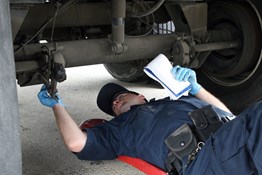
The Federal Motor Carrier Safety Administration (FMCSA) reports that brake defects were found in 56% of truck-involved crashes in 2022. Each year, the goal of Brake Safety Week is to enhance highway safety by ensuring proper brake maintenance through proactively identifying and addressing brake deficiencies before they lead to crashes.
ICSA always encourages its members to conduct regular pre-trip and maintenance inspections and repair trucks and components before defective vehicles are dispatched again. Help ICSA achieve its mission to promote safety through complying with safety regulations, regular brake inspections and other key safety measures.