In-Cab Coaching with Cameras
In-cab audio, produced by cameras, is designed to provide real-time feedback to drivers when a potentially unsafe situation is detected.
ICSA regularly gets questions about hair tests and exceptions. The most frequent question is why ICSA requires hair testing for Platinum Member drivers to be covered under our truck insurance program.
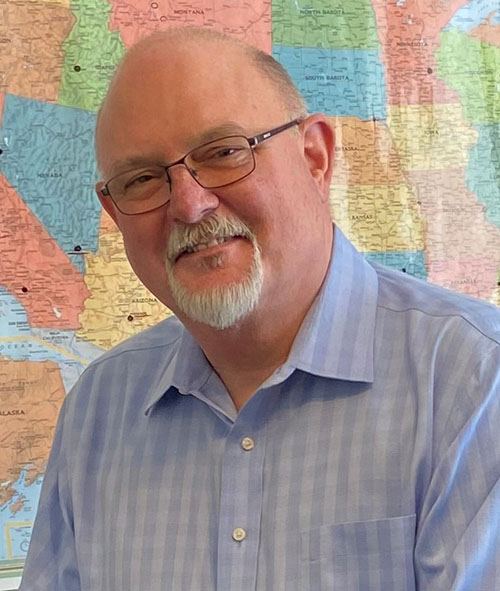
By Mike Hitchcock, ICSA Safety Consultant
The answer is pretty simple: Hair testing is considered a “best practice” in our industry and the surest way to ensure habitual drug users aren’t behind the wheel of heavy-duty trucks.
Nearly all the nation’s major trucking companies require hair testing. Although hair testing is non-regulated and test results are not reported to USDOT, it is currently the best way to protect your trucking business from habitual users.
ICSA wants to protect its members from that risk. Hair testing can assist in reducing litigation opportunities, result in fewer claims and lower insurance costs while improving highway safety. That said, there are two acceptable exceptions for hair testing:
A request for an exception to hair testing must be written, dated, and signed by the driver explaining the reason for the request. All requests must include a photocopy of the driver’s CDL.
Medical reasons: If the driver has a medical condition preventing hair growth (such as alopecia), he will need to submit a written statement from his primary care physician stating the medical condition and documenting the inability to grow sufficient hair for testing.
If the driver cannot be medically exempted from the hair test, they should be allowed sufficient time for the growth of head hair, underarm hair, arm, leg, chest, and/or beard hair. You may request a new authorization form for testing for the driver within 90 days from the initial hair test attempt, once they advise that they have sufficient hair for testing.
Religious reasons. If the request is for a religious exemption, the driver must submit a handwritten request, signed and dated, including the name of his religion and the specific religious beliefs that preclude cutting the hair.
NOTE: ICSA does NOT require hair follicle testing! Our consortium does not pull out the hair follicles. The hair sample to be tested is cut near the scalp with a sample size about the size of a pencil eraser.
If you have additional questions or concerns, email me at safety@safecarriers.org
In-cab audio, produced by cameras, is designed to provide real-time feedback to drivers when a potentially unsafe situation is detected.
Out-of-service (OOS) violations continue to impact carriers across the country, leading to costly downtime. In 2025, the average driver OOS rate reached 12.68%, while the vehicle OOS rate climbed to 29.13%.
Planning a safe trip as a professional truck driver requires thoughtful preparation before every journey. These are key practices to keep in mind throughout each stage of your trip.