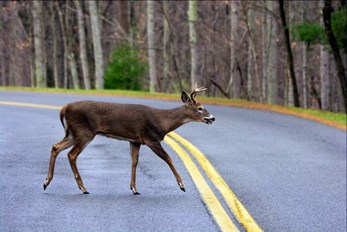
One of the most unpredictable hazards that drivers may encounter is wildlife. Deer, elk, and other animals can appear suddenly, especially in rural areas or during times with less light. Taking a few proactive steps can help you avoid accidents and keep both yourself and other road users safe.
Here are some tips for you to use to avoid animals on the road:
- Stay Alert in High-Risk Areas: Watch for signs indicating wildlife crossings and be extra cautious near forests, rivers, or rural highways. Animals are most active during dawn and dusk, so pay extra attention during these times.
- Use Your Lights Wisely: High beams can help you spot animals earlier but remember to dim them when approaching other vehicles. Keep an eye out for the reflection of animal eyes along the roadside, because it’s often the first indication of a potential hazard.
- Reduce Speed: Slowing down gives you more reaction time. If you spot one animal, expect there may be more. Deer and other animals frequently travel in groups.
- Avoid Swerving: Swerving to avoid an animal can lead to rollovers or crashes with other vehicles. If an impact is unavoidable, brake firmly while staying in your lane. Scan the road ahead and to the sides, keep both hands on the wheel, and be ready to brake.
- Maintain a Proper Following Distance: Keeping a safe distance from the vehicle ahead gives you more time to react if they need to brake suddenly for wildlife.
By staying alert and following these tips, you can reduce the risk of wildlife collisions and ensure every journey is as safe as possible.